
Do missing teeth make it difficult for you to eat and smile? If you’re missing teeth, your smile may look different from what it used to, and your chewing ability may be affected. Many people see a dentist in Londonderry to address this issue and improve how their teeth function. Dental bridges are an easy way to fill gaps, enhance biting, and boost confidence. Understanding how they operate can help you choose the right treatment for long-term relief.
What are Dental Bridges?
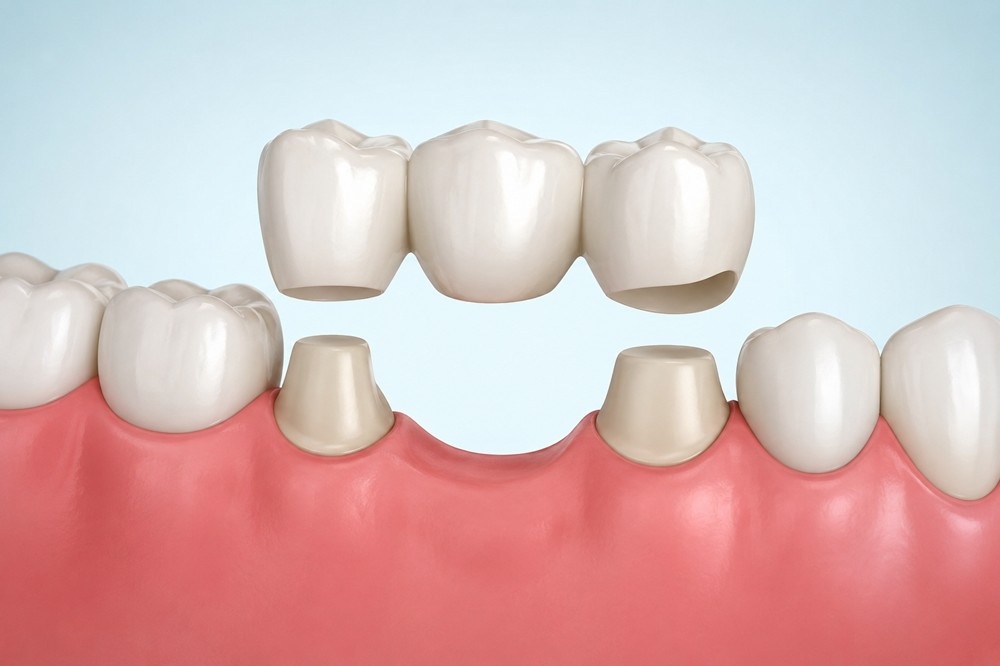
A dental bridge is used to replace one or more missing teeth. It fills the gap between healthy teeth and helps bring back a complete smile. People often choose dental bridges because they are fixed in place and look natural.
Key Features:
- Fills gaps caused by missing teeth
- Supported by nearby teeth or crowns
- Matches the natural colour of teeth
- Improves both function and appearance
How Do Modern Dental Bridges Work?
Modern dental bridges near you are designed to feel and function like natural teeth. They are carefully made to fit each person’s smile.
Step-by-Step Process:
- Preparation of nearby teeth: The teeth next to the gap are gently shaped to support the bridge.
- Custom design: A bridge is created to match the size, shape, and colour of natural teeth.
- Placement and fitting: The bridge is placed and adjusted for a proper fit.
- Final bonding: The bridge is fixed securely, so it stays in place.
Once completed, the bridge restores both appearance and chewing ability.
Types of Dental Bridges
There are different types of bridges depending on the dental need.
Common Types:
- Traditional Bridge: Uses crowns on both sides of the missing tooth
- Cantilever Bridge: Supported by only one nearby tooth
- Maryland Bridge: Uses a metal or porcelain framework attached to the back of teeth
Each type is selected based on the number of missing teeth and their location.
Benefits of Modern Dental Bridges
Dental bridges offer many benefits for everyday life.
Main Benefits:
- Help restore proper chewing.
- Improve speech clarity
- Prevent nearby teeth from shifting.
- Maintain face shape
- Provide a natural-looking smile.
These advantages make dental bridges a trusted option for replacing missing teeth.
Who Needs a Dental Bridge?
A dental bridge is suitable for people who have lost one or more teeth.
You May Need One If:
- There is a gap from missing teeth.
- Eating feels difficult or uncomfortable.
- Teeth around the gap are shifting.
- The smile looks uneven.
Early treatment can prevent further dental issues and improve comfort.
Dental Bridge vs Other Tooth Replacement Options
Dental bridges are often compared with dentures and dental implants.
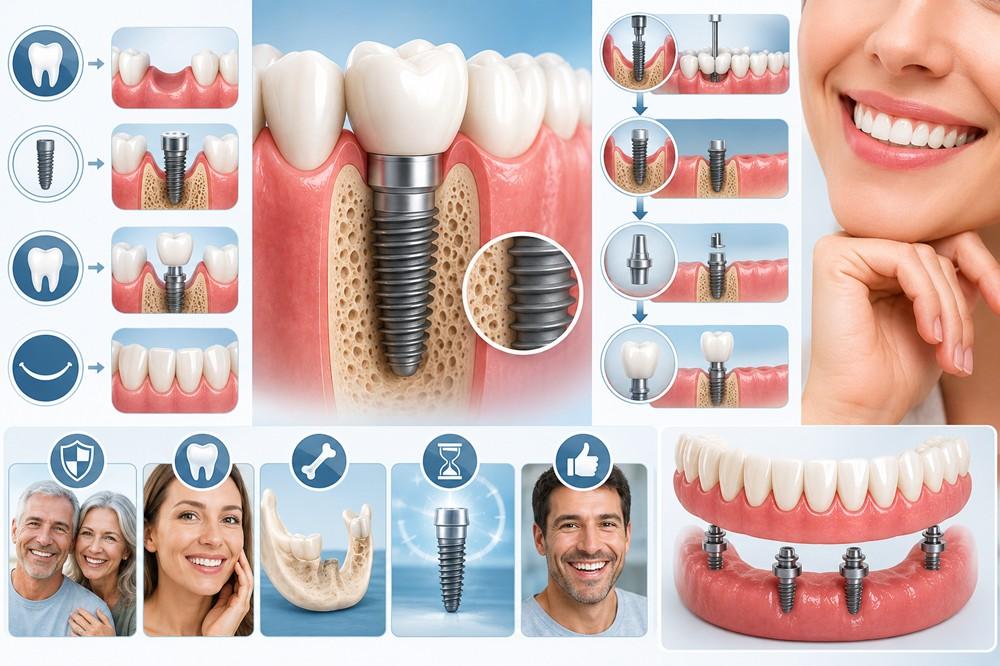
Unlike dentures, bridges stay fixed in place and do not move while eating or speaking. They also take less time to complete than implants, which makes them a more convenient option for many people.
Implants may last longer, but bridges are a quicker way to improve chewing and the look of your smile.
Caring for Your Dental Bridge
Proper care is important to keep the bridge strong and long-lasting.
Daily Care Tips:
- Brush teeth twice daily.
- Clean under the bridge using special floss
- Avoid hard and sticky foods.
- Rinse your mouth after meals.
Good oral hygiene helps prevent damage and maintain the bridge’s condition.
Why Regular Dental Visits are Important
Regular dental check-ups help keep your bridge strong and working well.
Visiting a dentist near you helps with:
- Finding early signs of damage or wear
- Cleaning your teeth and gums properly
- Checking your overall oral health
Regular visits help your dental bridge last longer.
How Long Do Dental Bridges Last?
Dental bridges are designed to last for many years.
Average Lifespan:
- Usually lasts between 10 and 15 years.
- It can last longer with proper care.
- Regular dental visits improve durability.
Daily habits play a big role in how long the bridge remains effective.
Common Problems and Simple Solutions
Some minor issues may occur after getting a dental bridge.
Common Problems:
- Mild discomfort at the start
- Food is getting stuck under the bridge.
- Slight pressure while chewing
Easy Solutions:
- Use special floss to clean under the bridge.
- Rinse your mouth after eating.
- Follow dental care instructions.
If problems continue, visiting a dentist in Londonderry is recommended.
Bring Back Your Complete Smile!
Get trusted care and modern treatment to bring back a strong, natural-looking smile at Londonderry Dental Choice. Take the first step toward better comfort, easier eating, and more confidence. Book your appointment today and enjoy a healthier, brighter smile for years to come.
FAQs
Do dental bridges look like real teeth?
Yes, dental bridges are made to match the colour, shape, and size of your natural teeth. This helps them blend in with your smile and look very natural.
Can I eat normally with a dental bridge?
Yes, after a short adjustment period, most people can eat comfortably and return to their normal eating habits without difficulty.
Is getting a dental bridge painful?
No, the procedure is usually comfortable. Any mild discomfort or sensitivity after placement is temporary and goes away within a few days.
How do I clean under a dental bridge?
Special floss, floss threaders, or small cleaning brushes can be used to clean under the bridge and remove food and plaque effectively.