
Worried your tooth might need a root canal? Root Canal Therapy can save a damaged or infected tooth from extraction. Many patients feel anxious about the procedure, but understanding what to expect can make it far less intimidating. This guide explains everything you need to know, including symptoms, benefits, the step-by-step procedure, recovery tips, and answers to common questions.
What is Root Canal Therapy?
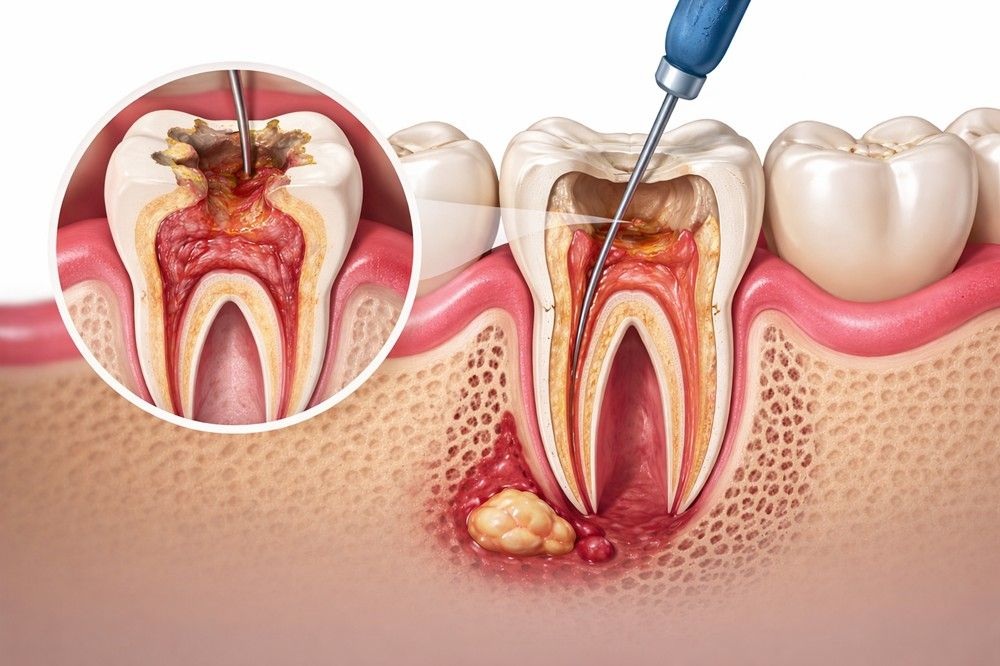
A root canal is a dental treatment that removes infected or damaged tissue inside a tooth. The dentist cleans and fills the inside of the tooth to stop pain, prevent infection, and save your natural tooth.
What you need to know:
- Removes infected tissue to protect the tooth
- Keeps the tooth’s natural shape
- Helps you chew and speak normally
Knowing how it works can help you feel more confident and ready for the treatment.
Signs You Might Need a Root Canal
Recognizing the symptoms early can prevent complications. You may need root canal therapy near you if you notice:
- Severe, persistent tooth pain
- Sensitivity to hot or cold foods and drinks
- Swelling around the gums or jaw
- Darkening or discoloration of a tooth
- Pain while chewing or biting
- Pimple-like bumps on the gums
Prompt attention reduces the risk of spreading infection and helps maintain oral health.
Step-by-Step Root Canal Procedure
Knowing the procedure in detail reduces fear and uncertainty. Here’s what to expect during a step-by-step root canal procedure:
- Check and X-rays: The dentist in Londonderry looks at the tooth and takes X-rays to see the roots and bone.
- Numbing: Local anesthesia is used to make the area numb and comfortable.
- Keep Tooth Dry: A dental dam is placed to keep the tooth clean and dry.
- Remove Pulp: The infected part inside the tooth is carefully taken out.
- Clean and Shape: The inside canals are cleaned, disinfected, and shaped for filling.
- Fill Canals: A safe material is put inside the canals to stop infection from coming back.
- Restoration: A crown or filling is added to protect and restore the tooth’s function.
Most patients need one or two visits, depending on the tooth’s complexity and infection level.
Benefits of Root Canal Therapy
Root canal treatment works very well and has many benefits compared to removing the tooth:
- Stops pain and infection
- Saves your natural tooth
- Keeps your bite and teeth in the right position
- Helps keep your mouth healthy for a long time
- Lets you chew and speak normally
Because the root stays in place, nearby teeth remain stable, and your jawbone keeps its natural shape.
Recovery and Aftercare Tips
After a root canal, good care will help it heal well and last longer. Stay clear of that.
- Not attending follow-ups.
- Consuming solid foods too early.
- Failure to keep teeth clean.
Easy Aftercare Tricks
- Use the Medications your dentist has informed you about.
- Choose soft foods for a couple of days.
- Gently brush and floss around the treated tooth.
- If you feel pain or swelling that doesn’t go away, let your dentist know.
When you follow the steps, your healing is quicker and prevents problems.
Tips for a Successful Root Canal Outcome
To help your treatment work well:
- Visit your dentist regularly.
- Avoid hard foods until your tooth is fully fixed.
- Follow your dentist’s instructions carefully.
- Brush and floss every day
These simple steps help keep your natural tooth strong and your mouth healthy for a long time.
Protect Your Natural Teeth with Expert Care!
Save your tooth and enjoy a pain-free, healthy smile. Visit Londonderry Dental Choice for simple guidance, personalized treatment, and expert care during your root canal. With the right treatment and regular check-ups, you can keep your natural tooth, chew comfortably, and feel confident about your smile. Book your appointment today and take care of your dental health!
FAQs
How long does a root canal take?
Most root canal treatments are completed in 1–2 appointments, depending on the complexity of the tooth and the extent of infection. Molars or teeth with multiple canals may require additional time to ensure thorough cleaning and proper sealing.
Can a treated tooth get infected again?
With proper oral hygiene, a well-fitted restoration, and routine dental checkups, the risk of reinfection is very low. Following your dentist’s aftercare instructions also helps maintain the long-term success of the treated tooth.
How do I know if I need a crown after a root canal?
A crown is often needed if the tooth is weak or badly damaged, especially back teeth. It helps protect the tooth, makes chewing easier, and keeps your smile looking normal.
Can root canals be avoided?
Taking good care of your teeth, visiting the dentist regularly, and treating cavities early can lower the chance of needing a root canal. But sometimes infections can still happen. Treating problems early can help keep the treatment simple.